
Jewels of India Gay Cultural Tour
A Gay Travel India Cultural Tour
Prices listed are per person:
Shared Room: $10,898
Private Room: $14,498
Physical Challenge
Traveler Testimonials
“I’ve been privileged to travel to over 70 countries in the world, with numerous travel companies and on many cruises, but I’ve never been more thrilled or excited or satisfied than by HE’s ‘Jewels of India.’ India is exotic and colorful and mysterious, a true feast for all the senses. As an avid amateur photographer, I’m always looking for that ideal shot and in India, the perfect photograph is just waiting around every corner. I took more than 2000 photographs in 10 days.” – Phil Cooper, Baltimore MD
“Excellent trip, thoughtfully planned and well-executed. The HE guide was first-rate. Fully lived up to my expectations.” – Jim Warren, San Francisco, CA
“I’ve been aware for over 20 years of HE’s excellent reputation. My trip to India was my first experience with HE Travel. My expectations were met. The guides were excellent and friendly. Your reputation is well deserved. I hope to travel with HE again.” – Joseph Martinez, New York, NY
From Delhi, the Taj Mahal & the cities of the Raj, we’ll focus on the art, architecture & history of this fascinating, sometimes contradictory land. This gay India tour has an abundance of famous temples, palaces, and forts. Take a leisurely pace, and relax in five-star luxury.
Highlights
Explore Delhi with its vast and rich history.
Watch sunrise illuminate the Taj Mahal.
See the dreamy “pink city” of Jaipur and its famous seven gates.
Visit the 1500 year old Khajuraho temples.
Relax after a day of touring at sumptuous five-star hotels.
See Mughal history come alive before your eyes.
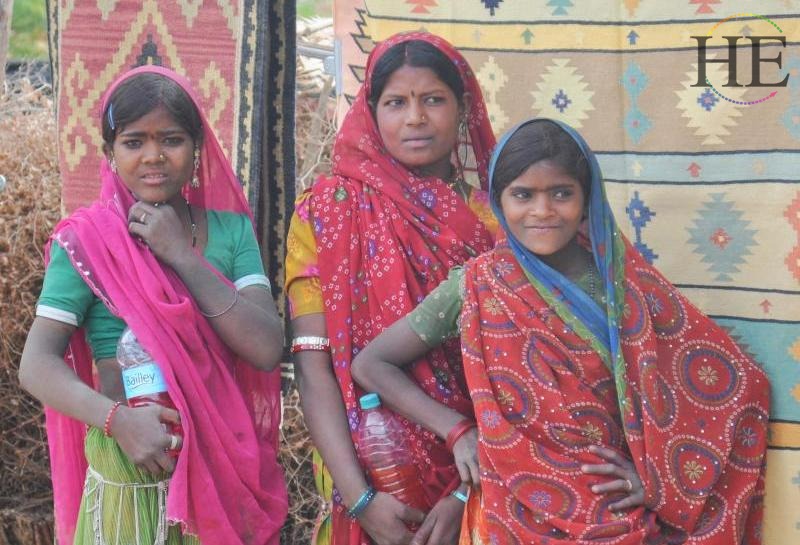
Glimpse the daily lives of a variety of Indians during exclusive village and family visits.
Discover India, a land of overwhelming sensations!
Experience Kathmandu and fly by Mount Everest on our Nepal pre-tour extension.
Overview
The Taj Mahal and more!
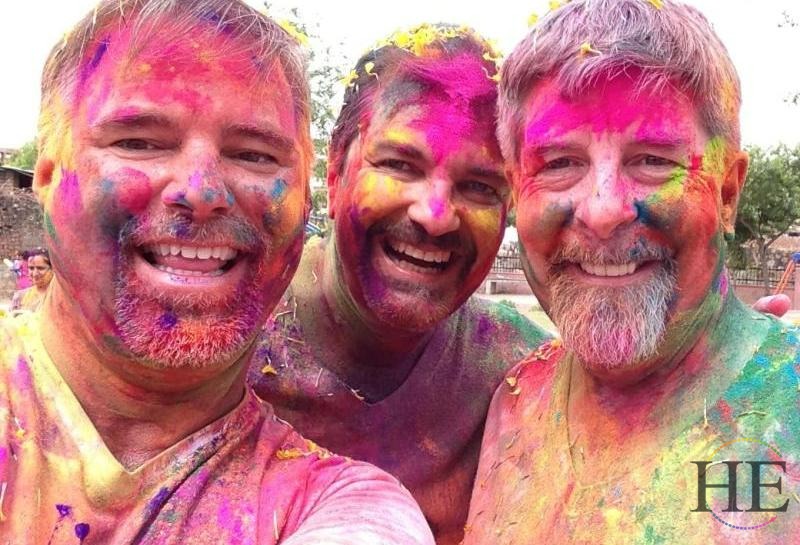
Our classic gay India tour begins in Delhi as we are swept away to another time and another place. Dotted with hundreds of landmarks, India’s modern capital is also a very ancient city whose architectural gems transcend time. Next, we will tour the amazing palaces of Khajuraho and Jaipur, where royalty was carried on the backs of elephants. In Jaipur we will visit a local family to celebrate the Holi Festival – India’s most colorful event of the year!
A gay India tour can’t miss the famous icon of Agra, the Taj Mahal – one of the New 7 Wonders of the World. Our dawn visit will offer the least crowds and the most incredible colors as the sun slowly rises over the polished white dome and minarets.
We will conclude our journey in the vibrant commercial capital of Mumbai (Bombay). Along with seeing monuments such as the Gateway of India, we will spend a day exploring the gay history of this city that some Indians call Bomgay.
For those with enough time, we offer a pre tour to Kathmandu, Nepal with views of the snow-covered peaks of the Himalayas. There is also a post tour extension to the Hindi center of Varanasi on the Ganges River.
Itinerary
Map:
Day 1: Arrival – Delhi
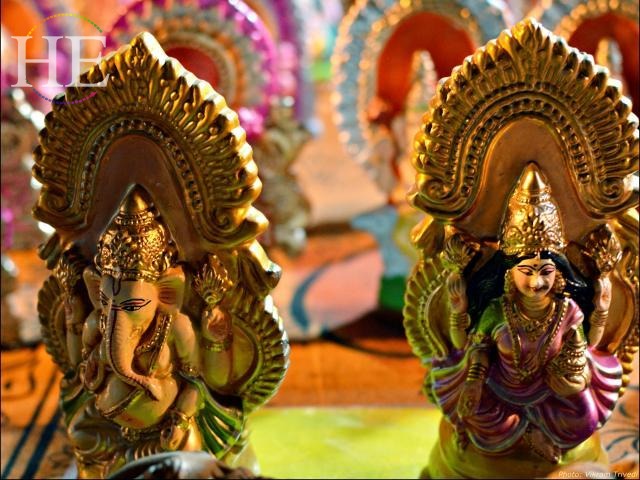
Upon arrival in Delhi, a guide will meet you at the airport, and escort you to our elegant hotel. There are no activities or meals planned for today. You can rest in your sumptuous quarters, take a walk to shake off the jet lag, hit the pool, or relax and rest for our gay India tour.
Day 2: Delhi
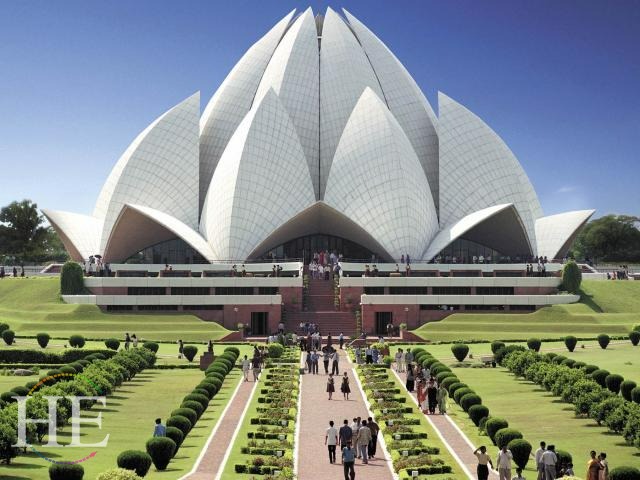
Our journey today kicks off in Delhi with an orientation tour of New Delhi. Starting with a magnificent 16th century UNESCO World Heritage Site – Humayun’s Tomb. This was commissioned by the widow of the second Mughal Emperor, Humayun. It is an outstanding monument built in the same Indo-Persian style. This was a one of a kind monument which was commissioned by a woman for her husband.
Next, we will visit Gandhi Smriti. This is where Mahatma Gandhi spent his last days before his assassination. Dedicated to the life of the Mahatma, the Gandhi Smriti formerly the estate of the Birla family is a great way to understand the teachings and philosophy of Gandhi. It also gives one a glimpse into the simple life he led.
From here, we will drive past the iconic India Gate and Rajpath. This war memorial, surrounded by lush green lawns, is a popular relaxation area. Nearby, you’ll find the majestic buildings of the Indian Parliament and Rashtrapati Bhavan (Presidential Residence).
We will continue on to Old Delhi with a visit to Jama Masjid, one of Asia’s largest mosques. It’s a magnificent structure of red sandstone and marble crafted by over 5,000 artisans. Next, we will immerse ourselves in Chandni Chowk, Asia’s largest wholesale market—a bustling labyrinth of shops, bazaars, and vibrant street life. We will drive past the iconic Red Fort, a 17th-century UNESCO World Heritage Site built by Mughal emperor Shah Jahan, and visit Raj Ghat, a simple yet poignant memorial to Mahatma Gandhi.
Tonight we will enjoy our welcome dinner together.
Day 3: Delhi – Khajuraho
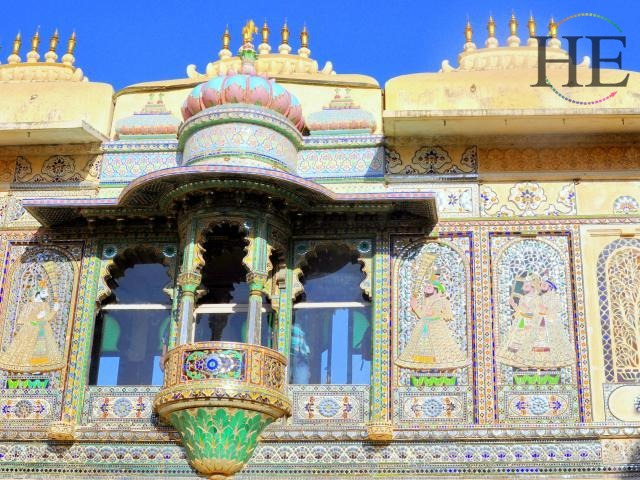
This breakfast this morning, we will fly to Khajuraho.
Khajuraho was once the citadel of the Chandela dynasty, and is renowned for its breath-taking temples, built between 950-1050 CE. A UNESCO World Heritage Site since 1986, these temples are divided into three groups: Eastern, Western, and Southern. While globally famous for their erotic sculptures, the temples of Khajuraho offer a rich tapestry of art, history, and culture beyond their sensuality.
Upon arrival in Khajuraho, we will drive to The Lalit hotel for lunch.
After lunch, we will visit The Western, Southern and Eastern Group temples, which are a masterclass in sculpture and storytelling. Khajuraho’s temples captivate with intricate erotic sculptures and soaring spires, epitomizing Chandela artistry. The Temples, quieter and Jain-influenced, reflect spiritual simplicity and delicate carvings. We will take a tour through the temples within the Western Group to see the wonderful creations of the Chandela rulers and the finest examples of the Nagara style of temple architecture in India. Other temples that we will visit within this complex include the Lakshmana Temple, Devi Jagdambi Temple, Vishwanath Temple, and Chitragupta Temple.
Day 4: Khajuraho
This morning is free to relax or enjoy the resort facilities. This afternoon, we will drive to Panna National Park, for an afternoon safari. Panna National Park is spread over an area of 543 Sq km along the banks of river Ken. The park was the former shooting reserves of the erstwhile royal state of Panna and Chhattarpur. Though Tiger sighting is always a matter of chance, expect regular sightings of animals like Leopard, Wolf and Gharial. Herds of Blue Bulls, Chinkaras and Sambars are a common sight. The park can probably boast of the highest density of the Paradise Fly-Catchers. This rich avian and faunal life combined with its picturesque scenery make a visit to the Park a memorable one.
Day 5: Khajuraho – Agra
Enjoy another morning at the resort or with some independent exploration. This afternoon we will make the journey from Khajuraho to Agra via train.
Agra’s history is steeped in the pomp and pageantry of the great Mughal Empire. It was here that three legendary emperors—Akbar, Jahangir, and Shah Jahan—transformed the city into a celebrated center for art, culture, and commerce. Today, the city is still renowned for its exquisite craftsmanship, including stunning marble inlay work, intricate gold thread embroidery, and fine leather goods.
Day 6: Agra
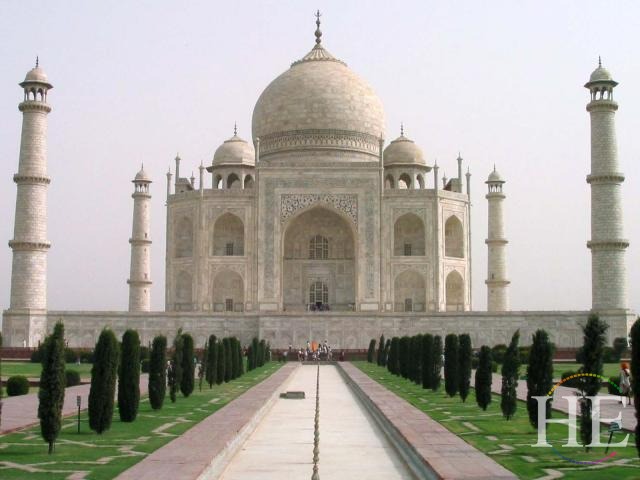
Today will be an early morning to enjoy a sunrise visit to the Taj Mahal. Here we will personally witness the changing hues reflecting the gradually brighter sunlight. This mythic structure with its history of romance and survival from the ravages of various marauders threatens to underwhelm visitors who have lived in the shadow of its hype. But its symmetry, its purity, its whiteness, the elegance of its curves, and the majesty of its size and silhouette can still surprise and astound visitors. It is easy to understand why it was selected as one of the New Seven Wonders of the World.
Later in the day, we will visit the Agra Fort, which evolved during the reigns of three Mughal Emperors. Here we will witness the contrast of the stern red sandstone citadel raised by Akbar with the lavishly beautiful shimmering white palaces built by Shah Jahan.
This afternoon, we will embark on an exclusive, unique guided walk. This is our chance to discover a different side of Agra, one that most guidebooks miss. Cross the Yamuna river to explore lesser-known monuments and pleasure gardens that pre-date the Taj Mahal itself. Highlights will include the Rambagh, a beautiful pleasure garden built by the first Mughal emperor, Babur, the Gyarah Sidi (11 Steps) used for early star gazing, and the stunning tomb of Itimad-ud-Daulah, a magnificent pre-Taj monument often referred to as the “Baby Taj.” This walk offers a rare glimpse into the city’s rich history and the daily life of its friendly residents.
Days 7: Agra – Jaipur
This morning we will drive to the colorful city of Jaipur. Jaipur is called the Pink City because most of its buildings are of sandstone. It was chosen by Maharaja Sawai Jai Singh II (1693-1743) for its capital, and it is still the vibrant capital of the desert state of Rajasthan. Surrounded on all sides by rugged hills, crowned with forts and enclosed by embattled walls, Jaipur is a must-see for travelers to India.
The Old City, the actual Pink City, is a great place to wander around. Maharaja Man Singh II had the whole city painted pink when the Prince of Wales, later Edward VII, visited Jaipur in 1876. Today, every home within the old city is obliged by law to maintain this facade. Fabulous, tall houses with latticed windows line the narrow streets of the old city, their rose-pink color lending enchantment to a scene that is almost magical at sunset.
We will enjoy a fabulous dinner this evening at Mohan Mahal, known for its elegant ambiance and exquisite Rajasthani cuisine.
Days 8: Jaipur
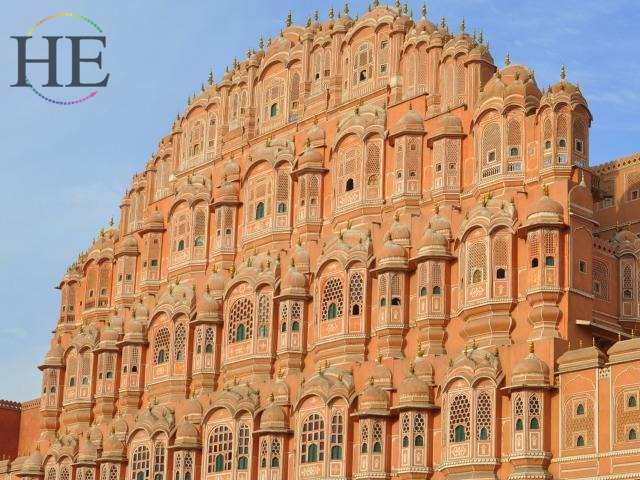
The day will begin with a visit to City Palace, a remarkable fusion of Rajput, Mughal, European, and traditional Indian design. This grand complex houses palaces, pavilions, museums, temples, and the Sawai Man Singh II Museum, home to royal portraits, costumes, weaponry, and ceremonial regalia. Highlights include Chandra Mahal, Mubarak Mahal, and the vibrantly painted seasonal doorways—beloved backdrops for photo enthusiasts.
A short walk away lies Jantar Mantar. The famed astronomical observatory built by Maharaja Sawai Jai Singh II. A UNESCO World Heritage Site, it features a collection of sophisticated instruments once used to study celestial movements and timekeeping— a testament to Jaipur’s historic patronage of science.
Later, we will visit the Amber Fort, the former capital of Jaipur’s rulers, built by Maharaja Man Singh in the 17th century. Surrounded by fortified walls and overlooking Moat Lake, the fort reveals exquisite frescoes, precious stone inlays, and the dazzling Sheesh Mahal, where mirrors reflect a single flame into endless light. Ascend by jeep and explore the majestic courtyards on foot.
We will return to the hotel to freshen up and prepare for the evening.
As the evening draws in, we will proceed on a unique exploration of the city immersing in the elegance of Rajputana culture. This is where the timeless traditions of the Rajputs come to life. For the Rajput warriors, jeeps and a fine glass of liquor are more than passions—they symbolize their rich heritage and enduring spirit. On this unforgettable night safari, explore Jaipur’s architectural marvels under the starlit sky. Feel the rush of wind in your hair as you pass by Jaipur’s iconic landmarks, each aglow with royal grandeur, evoking the city’s regal past.
No evening steeped in Rajputana tradition is complete without sampling the region’s royal legacy—heritage liquor. In the past, Rajput royal families crafted their own exquisite liquors, preserving secret recipes passed down through generations. We’ll take you to the ancestral home of one such noble family, where you’ll enjoy a special heritage liquor-tasting session, paired with local snacks. From this vantage point, soak in breathtaking views of Jaipur’s old city and its glowing monuments, adding a layer of romance to the evening.
The evening continues with a visit to a contemporary bar in the city, where master mixologists create innovative cocktails using these heritage liquors—blending tradition with modern flair for a truly unique tasting experience.
Day 9: Jaipur – Holi celebration
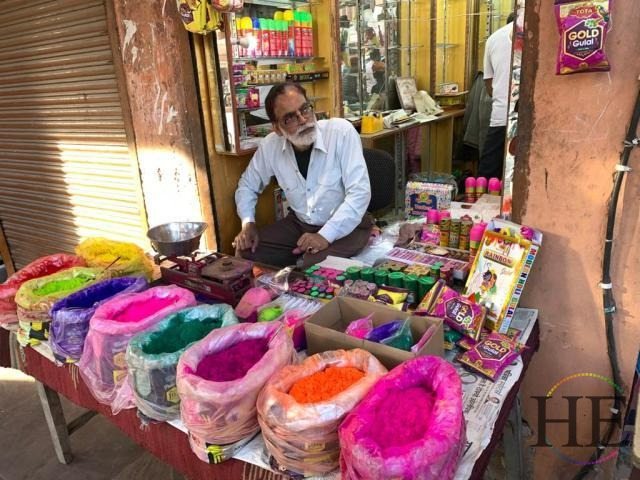
We have timed our tour so that we may celebrate the Holi Festival of Colors in Jaipur. Holi is considered to be the day of friendship when in keeping with the spirit of the day, people forget petty enmities and renew their friendship. It’s also the day when people toss powder of various bright colors on their friends to celebrate the day. We will have the honor of enjoying the festivities with a local family.
Join in the festive spirit by playfully throwing vibrant hues, sharing traditional sweets, and laughing with your hosts. This celebration is a true feast for the senses, creating an unforgettable atmosphere of happiness, friendship, and new beginnings.
Days 10: Jaipur – Mumbai
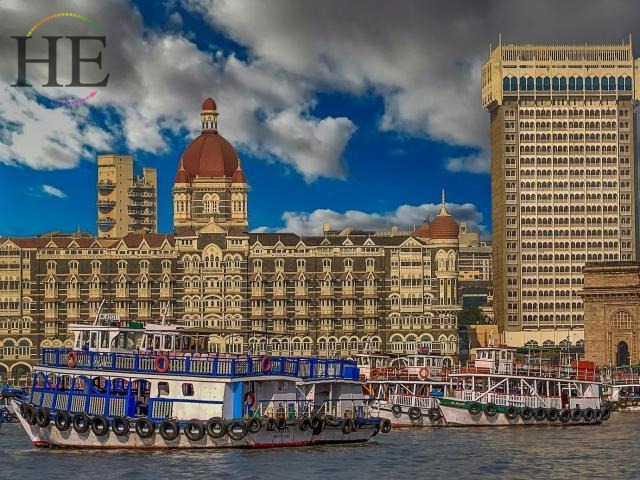
Mid-morning we will fly to Mumbai. Mumbai is a city of dreams, the glamour of the movie world, the razors edge of the skyscrapers to the mainland of the harbor. People here come from diverse ethnic backgrounds yet nurture the dream of success. Their undying spirit adds color and flavor to this multicultural city. A throbbing, cosmopolitan metropolis, it still retains the glory of the past, the colonial legacy that coexists with the Maratha influence. Still considered as the heart of business India, Mumbai houses the country’s vibrant Stock Exchange.
Upon arrival in Mumbai we will stop for lunch at a local restaurant.
This afternoon, we will explore the main sights of Mumbai. Starting with a photo stop at dhobi ghats, the massive outdoor laundry site where dhobhi wallahs (laundry workers) beat, wring, iron and code millions of pieces of laundry daily. We will drive along Marine Drive, the sea – Front Boulevard. Also known as the Queen’s Necklace as in the evening, the streetlights on this U-shaped road light up. The view from south Bombay’s skyscrapers or from the exclusive residential area, is that of a Queen’s Necklace. Next visit Prince of Wales Museum. Built in gothic and Moorish architecture, it boasts of a significant collection of Indus valley artefacts some of them dating back to more than 5000 years. Most impressive are the miniature paintings – nearly 2000 of them, from various stylistic schools of India. We will end the tour driving past some of Mumbai’s most prominent landmarks and iconic buildings like the Asiatic Library, St. Thomas Cathedral, and the famous Rajabai Clock Tower as we tour the historic Fort district.
Days 11: Mumbai
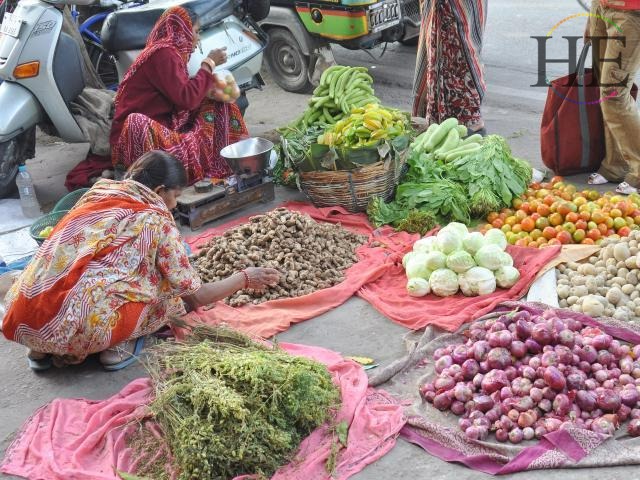
After a leisurely breakfast, we will be taken on a specially curated full-day “Queer Tour”. Queer’s Day Out is a unique experience – which includes a full day of flirting with various aspects that frame Queer lives of persons in the city. It will start with the question ‘What makes Bombay Queer?’ and will involve journeys to various spots across South Bombay to find the answer, while experiencing the dynamic Queer culture of Bombay. Or as Queer folk here call it—Bomgay!
Tonight, we will gather for a farewell dinner at Ziya, the award-winning restaurant. Ziya is celebrated for its inventive approach to modern Indian cuisine, all crafted by renowned Michelin-starred Chef Vineet Bhatia.
Day 12: Farewell
Today we will say our goodbyes. Enjoy breakfast and your transfer to the airport home or onto our extensions.
See the Extensions tab for more touring in Varanasi and Kathmandu before/after the trip!
Tours are subject to change due to availability, weather, traffic, and other factors out of our control. We do our best to delivery all items listed, but occasionally activities need to be cancelled or completed out of order.
Price Includes
Main Tour
Price includes: Transfers between Arrival Airport and hotel on arrival and departure; All surface transportation within India as outlined in tour itinerary in air-conditioned mini-coach or train; Domestic flights within the main tour, including airport departure taxes; Five-Star hotels or hunting lodge each night, with private bath, in double occupancy (single rooms available, subject to availability); Daily breakfast, three lunches and seven dinners, including wine at Welcome and Farewell dinners; Admission to sites described in the itinerary; Services of English-speaking Indian guides, plus the services of a knowledgeable HE Travel tour host (with a minimum number of participants); All hotel service charges, government taxes, porterage, and gratuities for drivers and included meals. HE Travel provides complimentary Medical & Evacuation Insurance for every US Resident on our group tours who does not have other coverage.
Not included: International flights to and from India; Visas for visiting India (information about obtaining a visa will be sent about 4 months before departure); Camera/video fee which is charged at some monuments; Lunches and dinners not described as being included; Gratuities for guides and HE Travel host; Personal items including alcoholic beverages, snacks, laundry, and telephone calls.
Optional Tour Choices:
Pre-tour Extension to Kathmandu
$2698 Shared Room – per person price
$3498 Private Room
$330 optional dawn Mt. Everest fly-by flight
Price Includes: Flight from Kathmandu to Delhi; Airport transfers; Comfortable accommodations for two nights in a deluxe Kathmandu hotel, and two nights in our countryside hotel; 4 breakfasts; 2 lunches and 2 dinners; and excursions as shown in the itinerary.
Additional Expense: Nepal Visa upon arrival (approximately $30 USD paid by the passenger)
Post-tour extension to Varanasi
$2198 Shared Room – per person price
$3098 Private Room
Price Includes: Flights from Mumbai to Varanasi and Varanasi to Delhi (subject to availability); Comfortable accommodations for two nights in Varanasi and one in Delhi; breakfast each day; two dinners; local ground transportation; and tours with local guides in Varanasi.
Extensions
Kathmandu – Arrive Early for this Pretour – March 10 to 14, 2027
Day 1: Journey to Kathmandu, Nepal
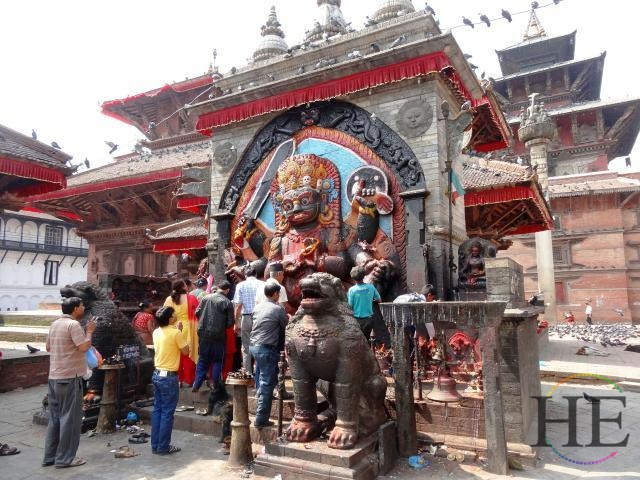
Arrival into Kathmandu. We will transfer to our deluxe hotel in this picturesque city, where you will have the evening to relax and recover from your long journey.
Day 2: Mount Everest and Kathmandu
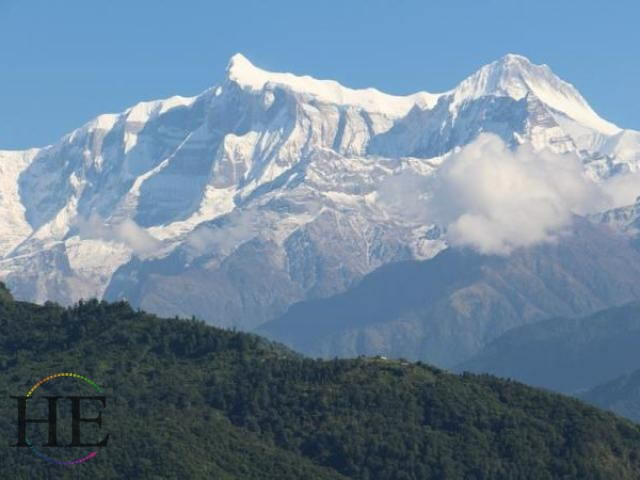
Early risers may enjoy an optional dawn flight tour of Mount Everest (weather permitting). We will see some of the world’s highest peaks, and glimpse the Roof of the World, the Tibetan Plateau. After returning to our hotel for breakfast, we will enjoy sightseeing in Kathmandu city. We will explore the riches of the Hindu and Buddhist traditions of this historic capital and its surrounding region.
First is a stop at Swyambhunath Stupa, followed by a visit to Kathmandu Durbar Square; home to palaces, temples and courtyards. The word “durbar” means “palace” and Nepal’s kings used to live here and rule from the Hanuman Dhoka Palace until the construction of the Nararayanhiti Royal Palace. Kathmandu Durbar Square is presently known as Hanuman Dhoka. It is a name derived from the statue of Hanuman, the monkey devotee of Lord Ram. Many of the palaces and temples in Durbar Square were built during the reign of the Malla Kings (1200 to 1768). They are beautiful examples of Newari Architecture, Nepal’s most distinctive architectural style. Visitors to the Durbar Square of Kathmandu will be amazed by the architectural wonders spanning several centuries. This important historical attraction has been declared a UNESCO World Heritage Site.
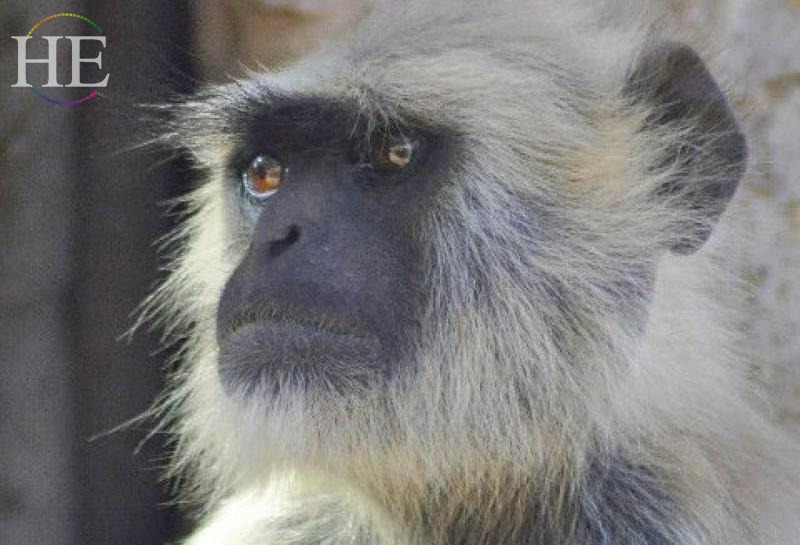
Swoyambhunath: Swayam in Sanskrit mean self, hence Swoyambhunath mean “Self-Created One”. The Tibetan name for Swoyambhunath means ‘Sublime Trees’. It was built over 2,500 years ago. It is also known as monkey temple as there are holy monkeys living in part of the temple. The site is about 70 meters above on the west side hill of Kathmandu and 3 kilometers from the city center.
This afternoon:
We will enjoy a sightseeing tour of PATAN “City of Crafts”. Patan is located about 5 km south of Kathmandu, on the southern side of the Bagmati River. It is one of 3 royal cities in the valley. Patan is a center of Buddhist and Hindu culture. The city is full of religious art, temples, and monasteries. It is a city of Buddhist monuments, Hindu temples and fine wood carvings. Lalitpur is the name of this city which ‘means the city of beauty’. The city is known as the paradise of fine arts. Patan also boasts a Durbar Square full of temples. One remarkable monument here is a 17th century temple dedicated to the Hindu God Krishna.
Days 3 and 4: Bhaktapur and Dhulikhel
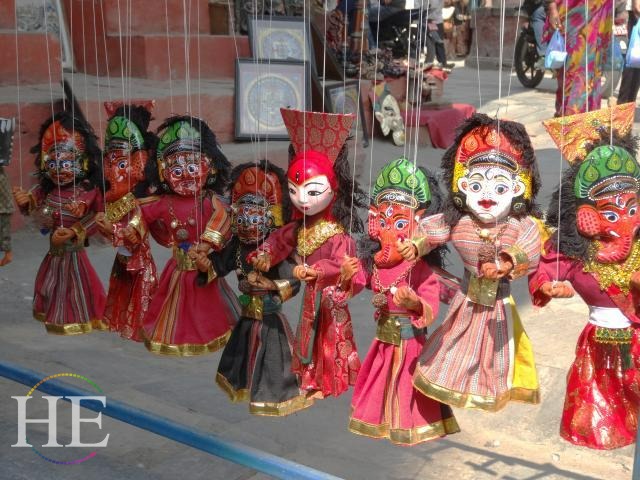
After breakfast, we will enjoy a sightseeing tour of Bhaktapur city: Bhaktapur is world renowned for its elegant art, fabulous culture and indigenous lifestyle. The ancient city is also variously known as the “City of Culture”, the “Living Heritage” and “Nepal’s Cultural Gem”. Bhaktapur is more like an open museum.
Monumental masterpieces in Bhaktapur are innumerable, and each is more attractive than the other. Bhaktapur is 14 Km east of Kathmandu city. Bhaktapur’s Durbar Square is the gem not only of Bhaktapur, but also of the entire nation. The most fascinating structure here are the world-renowned 55 Window palace, Golden Gate, Taleju Bell, Bhairabhnath Temple, Datatraya Temple, Statue of Bhupatindra Malla, and Pashupatinath Temple. Taumadhi Square has Nyatapola Temple dates back to 1702 AD. The colossal five storied edifice is the country’s tallest pagoda temple.
Potter’s Square: A two-minute walk south of Durbar Square brings you to Bolachhen. It’s also known as Potter’s square because of the many potters seen here molding wet clay into different kinds of earthen ware. It has a display of fresh pottery left out to dry in the open square. This place can be approached from Tamaudhi Square. The elephant-headed Lord Ganesh is the patron of potters, thus the Jeth Ganesh temple in the square.
Bhaktapur Curd (Juju Dhau) is special and delicious yoghurt peculiar to Bhaktapur. It’s made out of thick buffalo milk in earthen pots. Previously they were only made for special occasions.
Next, we will drive to Dhulikhel. It should take about half an hour.
Dhulikhel is the administrative centre of Kavrepalanchok District, Nepal. At the time of the 1991 Nepal census it had a population of 9812 people in 1624 households.[1] Dhulikhel lies along the B.P. Highway and Arniko Highway. Arniko Highway connects Kathmandu, Nepal’s capital city with Tibet’s border town of Kodari. Dhulikhel is located near the Himalayas at 1550m above sea level. It is situated 30 km southeast of Kathmandu and 74 km southwest of Kodari. The people in the village are Newars, Bhramin, Chhettri, Tamang and Dalit. Drinking water in Dhulikhel is one of the best water in Nepal. It was made with the Help of the German NGO; German Technical Cooperation.
You will have time to explore Dhulikhel on you own. This evening, enjoy the sunset from hotel premises (subject to weather).
Spend the next day enjoying the hotel and everything it has to offer.
Day 5: Depart
In the morning, subject to weather conditions, you’ll be awakened early to watch from our hotel as the sunrise slowly illuminates the nearby mountain peaks.
We’ll be transferred to the Kathmandu airport for flight to Delhi (this flight is included in price).
Varanasi – Post Tour – March 25 to 28, 2027
For those participants who have a little more time to spend in India after the main tour, we are offering a three-night extension in Varanasi.
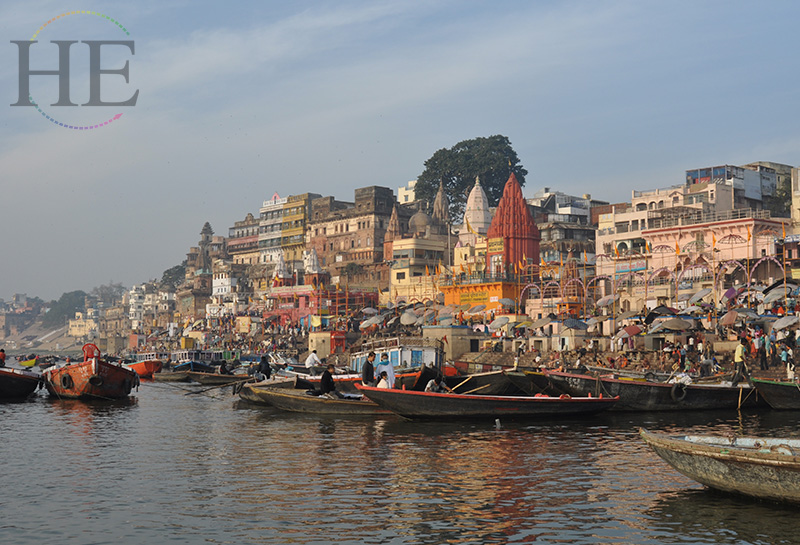
Varanasi (once called Benares) is visited daily by thousands of Hindi pilgrims who come to bathe in the sacred Ganges River. During our tour, we will see many of the ghats (bathing sites) from both the shore and from a boat, and we will also visit nearby Sarnath, where Siddharth Gautama, the original Buddha, gave his first sermon.
Days 12-13: Varanasi Visit
Varanasi (formerly called Benares) is situated on the banks of the holy Ganges River and is presided over by Lord Shiva. It is called the Eternal City and is distinguished by the many “ghats” along the riverside. (A ghat is a broad flight of steps that provides access to the water, especially for bathing).
From time immemorial Varanasi has been a seat of learning and an important religious center for Hindus. It is also one of the most sacred places of pilgrimage, being visited by millions of people every year. In addition to its role in Hinduism, Varanasi also holds an important place in Buddhism, since Buddha’s first sermon was given nearby.
Day 14: Varanasi Departure
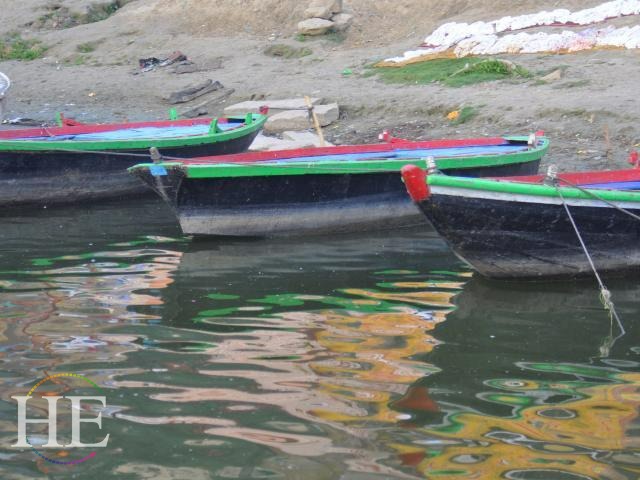
On our last day, you will be transferred to the airport for your flight back to Delhi for an overnight stay in Delhi, near the airport. The flights from our last main tour stop to Varanasi and from Varanasi back to Delhi are included in the tour price.
See the “Price Includes” tab for details on the cost of this the Pre and Post tour options.
Tour Insurance
We strongly recommend the purchase of Trip Cancellation and Interruption insurance to protect your vacation investment in case of unforeseen circumstances such as flight delay, illness, or injury. Click Here to learn more about our Insurance partner.
FAQ
Plan a Custom Tour with HE Travel
HE Travel creates custom tours for travelers who want a private journey or dates outside our scheduled departures. Our team can help arrange the itinerary, logistics, and overall experience around the destinations and timing that work best for you.
Complete this form and an HE Travel team member will get in touch to discuss your interests, preferred travel dates, and the kind of custom tour you would like us to create.
More Testimonials
“The well-planned itinerary with an extraordinarily informed local guide and the ease of travel [was] well coordinated. It provided an excellent overview of India, its customs, people and history.” – Peter Ilchuk, Tampa, FL
“India is an amazing country with incredible destinations. While travel is sometimes a bit difficult, the payoffs when reaching the destinations are without question worth the effort. Our HE guide was stellar.” – Keith Degi, New York, NY
“As always with HE Travel, the locations are well thought out and the staffing and hotels 1st rate” – Jeff Zirpolo, Colonia, NJ